The evolution of gaming tracing the history of casinos through the ages
Ancient Beginnings of Gambling
The history of casinos can be traced back to ancient civilizations where gambling was a popular pastime. In ancient China, around 2300 BC, rudimentary gambling games involving dice were played. Similarly, in ancient Rome, betting on gladiatorial contests was common, and these activities laid the foundation for modern gaming. These early forms of gambling often involved social gatherings, making them a communal activity that engaged people of all classes. For beginners, it’s essential to explore the various types of games available, and you canread more about the foundational aspects that shaped the industry.
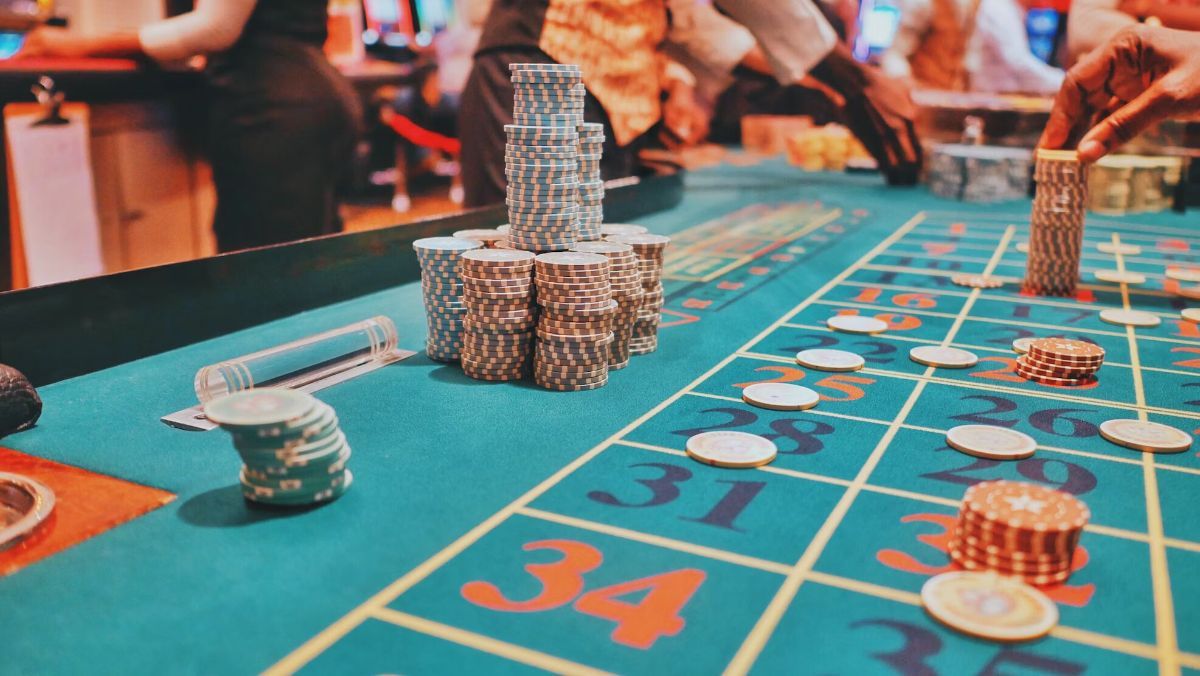
With the rise of civilizations, the gaming practices evolved. The use of cards, which originated in China in the 9th century, made its way to Europe through trade routes, igniting a fascination for card games that continue to this day. The establishment of gaming houses during the Renaissance period marked a pivotal point in gambling history, as formal venues began to emerge across Europe.
The Birth of Modern Casinos
The first official casino, the Casino di Venezia, opened in Italy in 1638. This marked the transition from informal gambling spots to structured establishments designed specifically for gaming. The casino concept rapidly spread throughout Europe, with venues appearing in France, where the gaming culture flourished. The introduction of roulette in the 18th century added an exciting twist, attracting more players and solidifying casinos’ status as entertainment hubs.
During the 19th century, the gaming landscape shifted dramatically with the establishment of casinos in cities like Monte Carlo. This era saw the combination of luxury, glamour, and gambling, creating a vibrant social scene that appealed to the elite. The allure of casinos was not just about the games; it was about the experience—an escape from the mundane with the chance to win big.
Casinos in America: From Wild West to Las Vegas
The American gambling scene began to take shape in the 19th century, particularly during the Gold Rush, when gambling houses popped up in mining towns. These establishments often operated outside the law, reflecting the rugged spirit of the Wild West. However, it wasn’t until the 20th century that casinos gained legitimate status, particularly with the opening of the Las Vegas Strip in the 1940s.
Las Vegas transformed gambling into a mainstream entertainment industry. The introduction of luxurious hotels and themed casinos revolutionized the experience, drawing in millions of visitors. Games like poker and blackjack became synonymous with the Las Vegas experience, and the city quickly became the gambling capital of the world, reflecting a blend of risk, reward, and spectacle.
Online Gaming Revolution
The advent of the internet in the late 20th century led to a groundbreaking shift in how people engage with casinos. Online casinos began to emerge in the mid-1990s, making gambling accessible to anyone with an internet connection. This innovation created a new realm where players could enjoy their favorite games from the comfort of their homes, which drastically changed the landscape of the gaming industry.
As technology advanced, so did the online gaming experience. Live dealer games, interactive interfaces, and mobile gaming platforms have made online gambling not just a convenient option but a rich and engaging experience. Players now have access to a wide variety of games, bonuses, and promotions, leading to a significant rise in participation across various demographics.

Exploring the Future of Casinos
Today, the casino industry is experiencing rapid growth and evolution, incorporating cutting-edge technologies like virtual reality and artificial intelligence to enhance user experience. The integration of cryptocurrencies has also begun to redefine transactions, promising increased security and anonymity for players. As regulations evolve to adapt to new technologies, the landscape of gambling will continue to change.
The future of casinos will likely see a blend of traditional experiences with modern innovations, creating immersive environments that resonate with both seasoned players and newcomers. Understanding the historical context of gambling helps appreciate its ongoing evolution, making it an exciting time for enthusiasts and casual players alike.